
Stair Runners
Bespoke Stair Runners for Your Ilkley Home
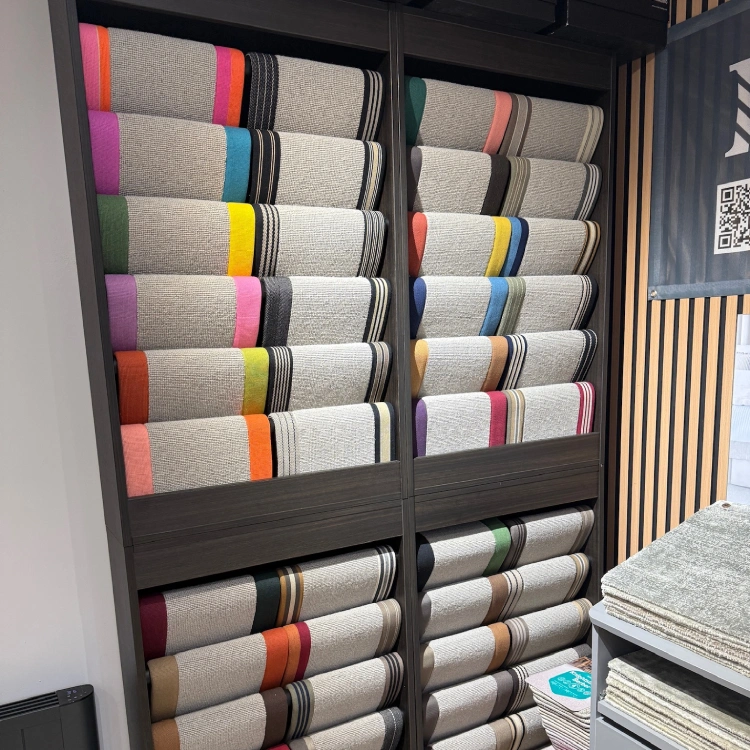
At The Ilkley Flooring Company, we design, create and install beautifully bespoke stair runners that transform hallways and staircases into striking features within your home.
Stair runners have made a huge comeback in recent years — and they’re here to stay. They create an immediate visual impact, adding warmth, texture and a welcoming touch to your entrance. As well as being a stylish statement, stair runners provide practical protection, helping to reduce wear and tear on your stair treads in busy households.
Whether you’re looking for a subtle, elegant finish or a bold design feature, our expert team will help you achieve the perfect result.
Contact us today for a free consultation and a bespoke stair runner tailored to your home.
Gallery
CarpetsLuxury Vinyl TilesLaminate FlooringHardwood FlooringCommercial Flooring
Have questions? Get in touch!
Stair Runners – Buyer's Guide
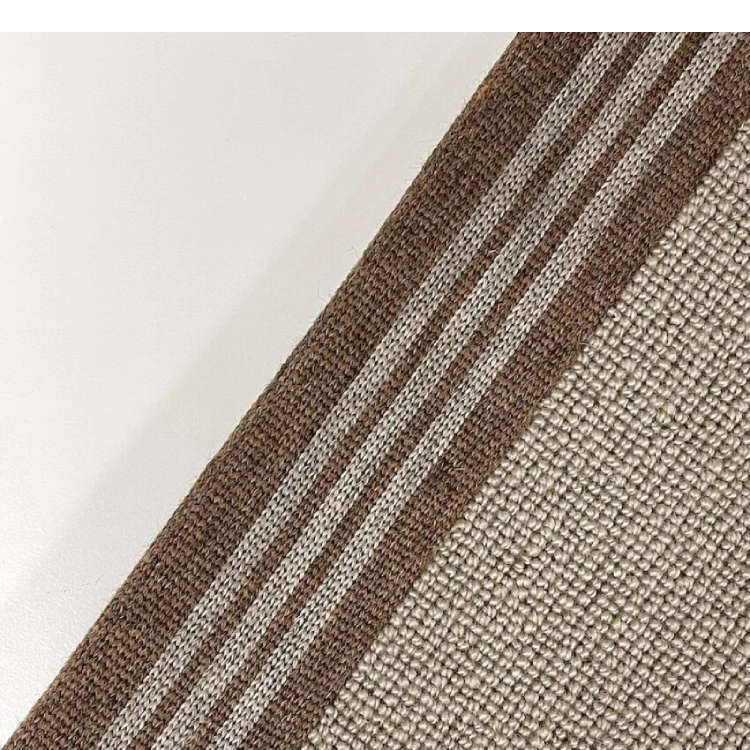
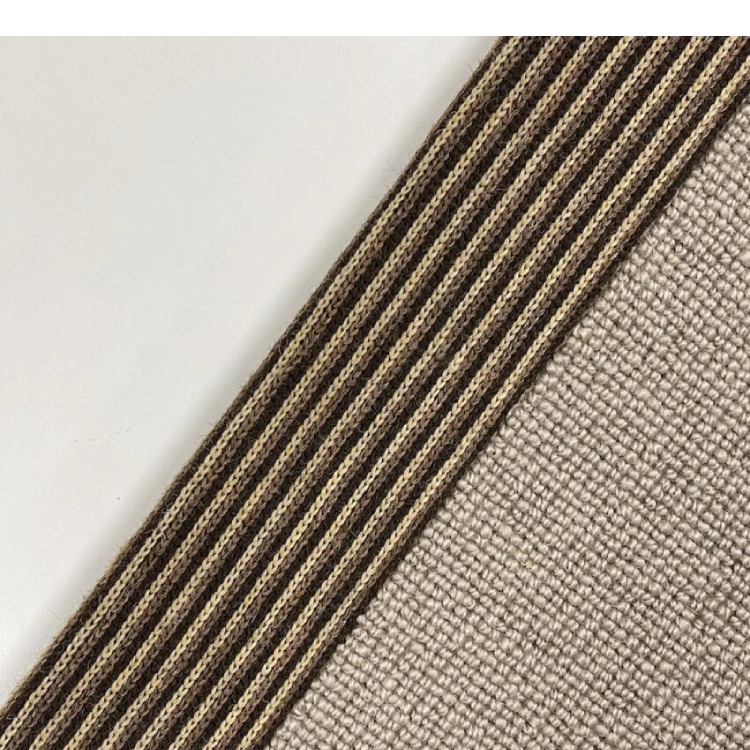
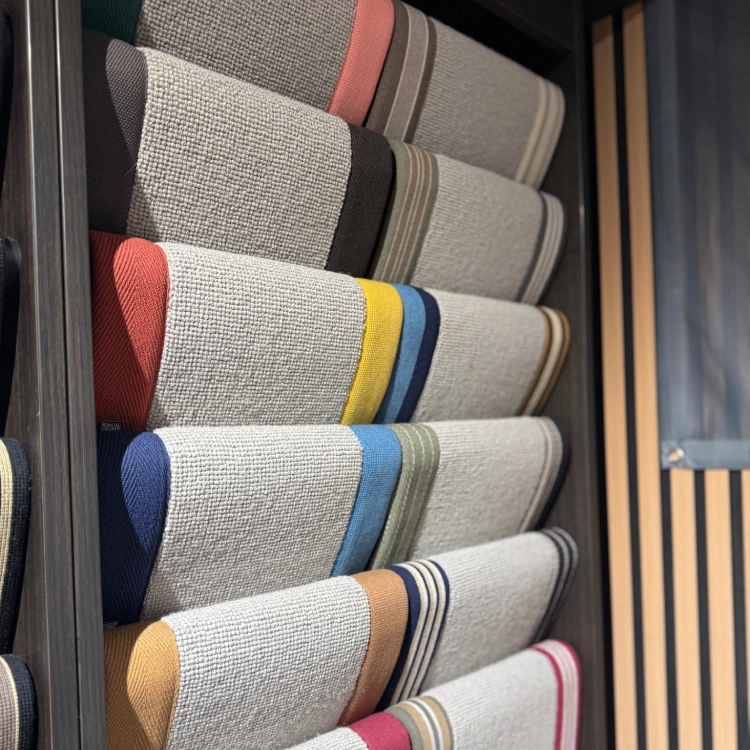
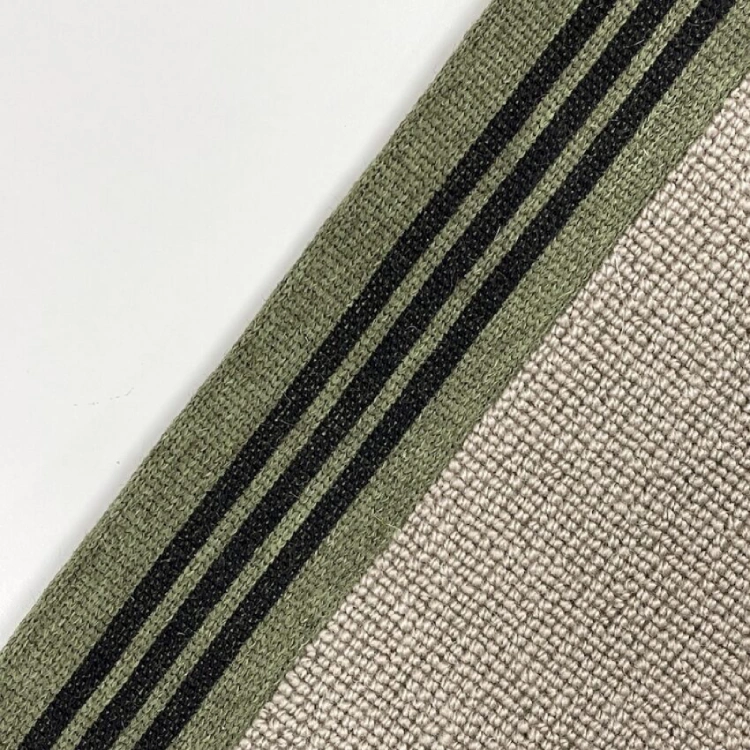
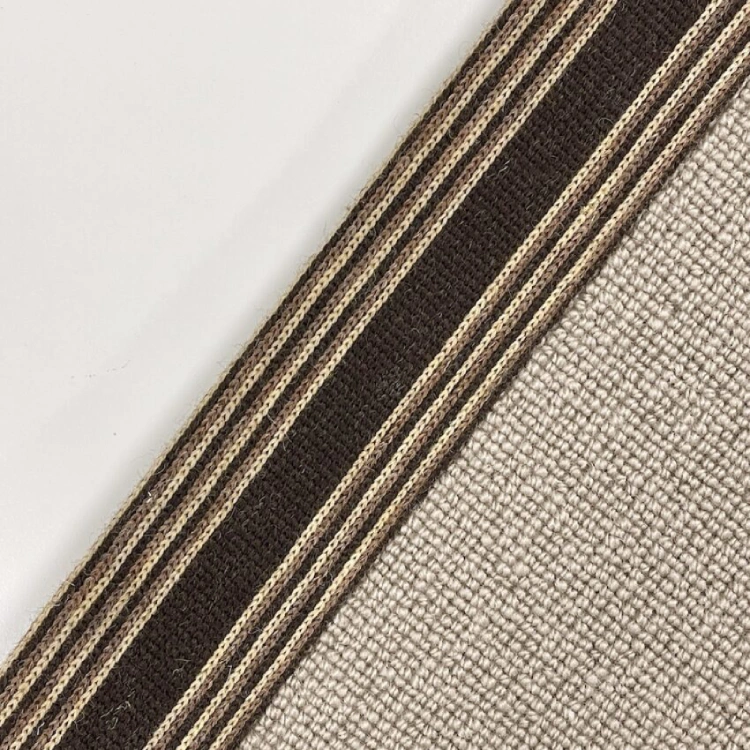
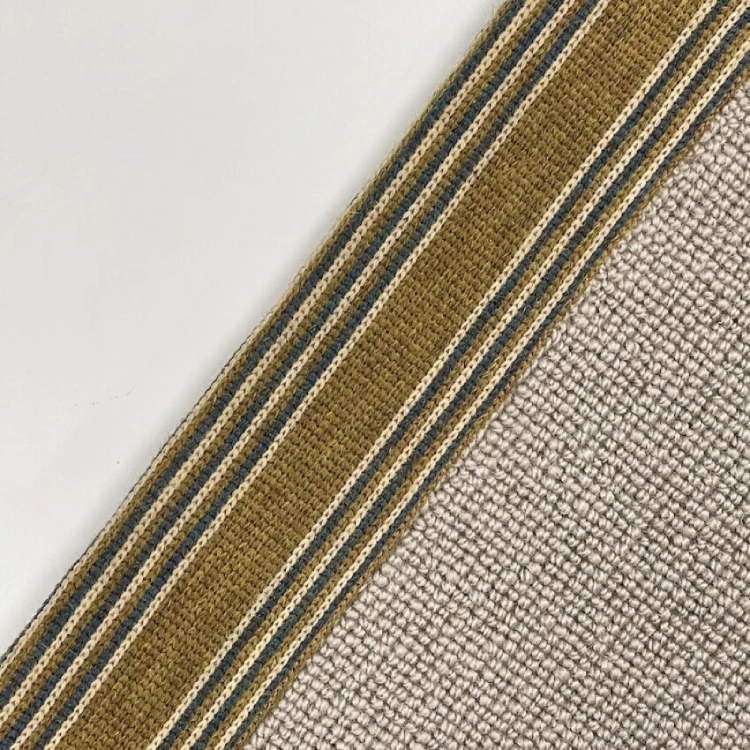
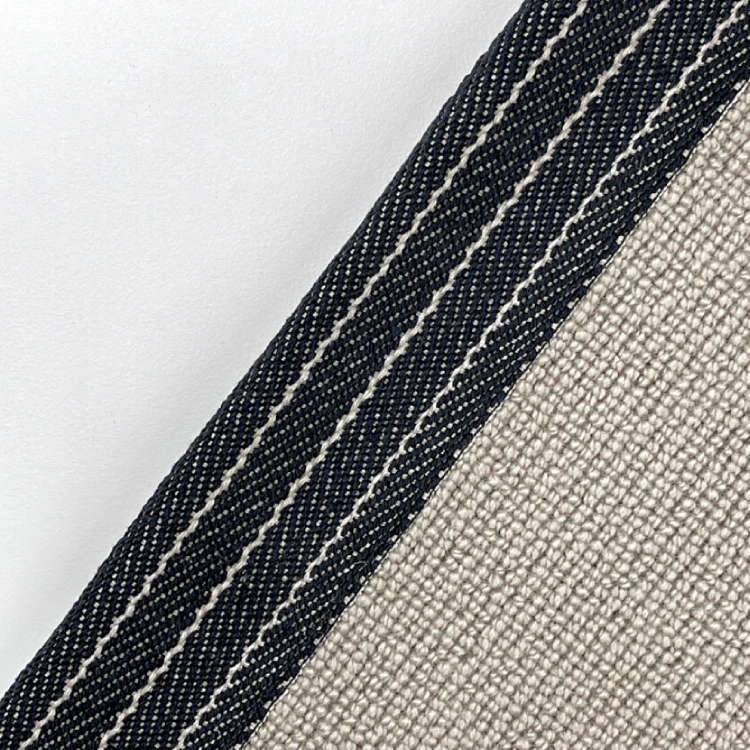
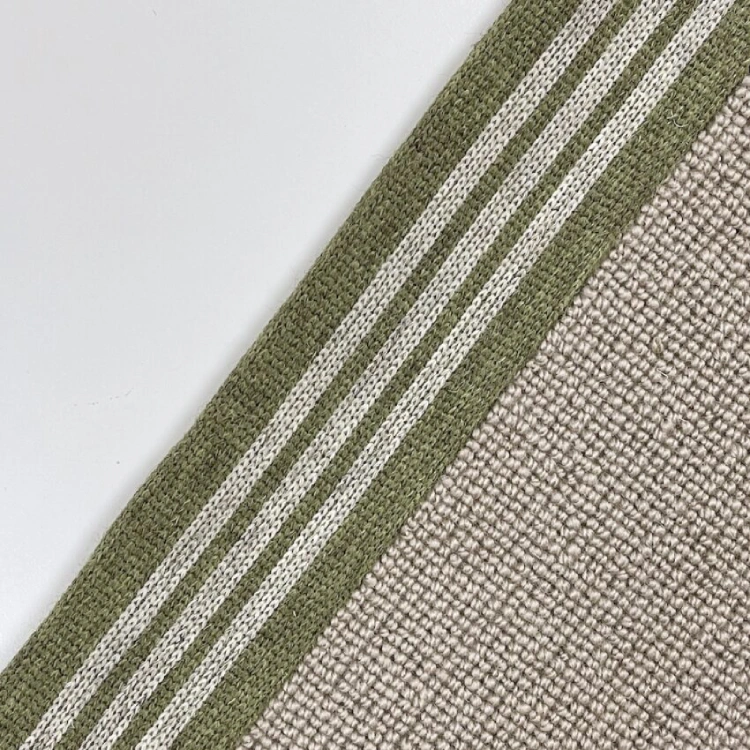
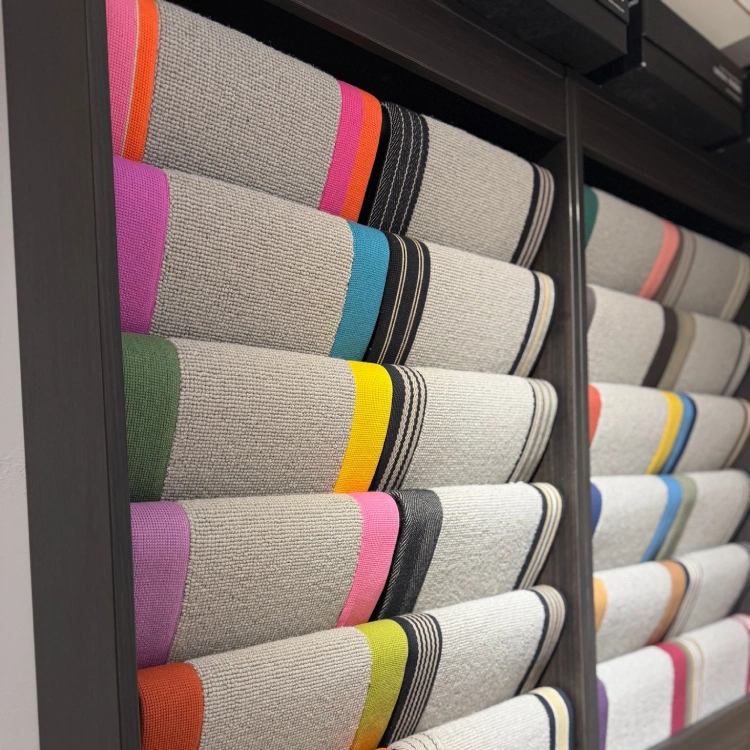
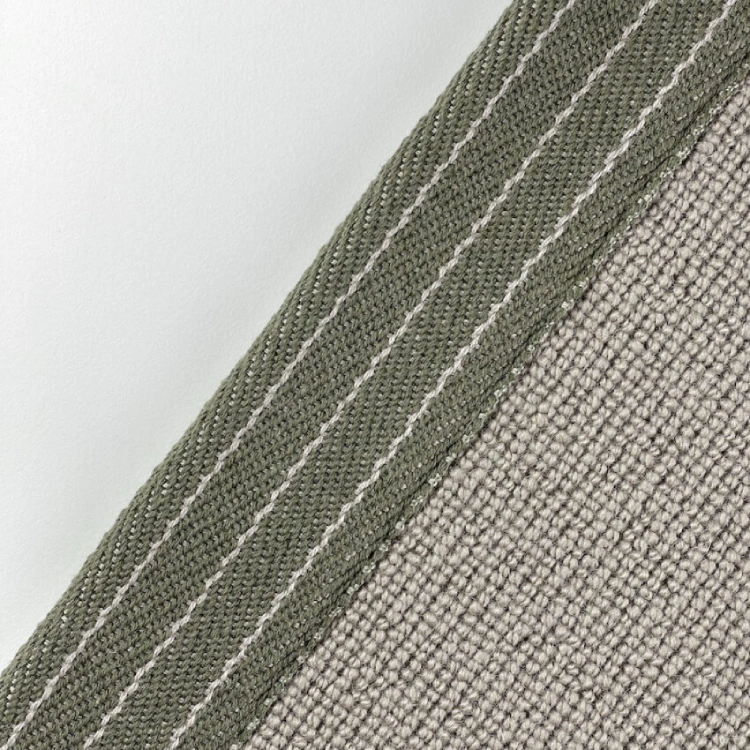
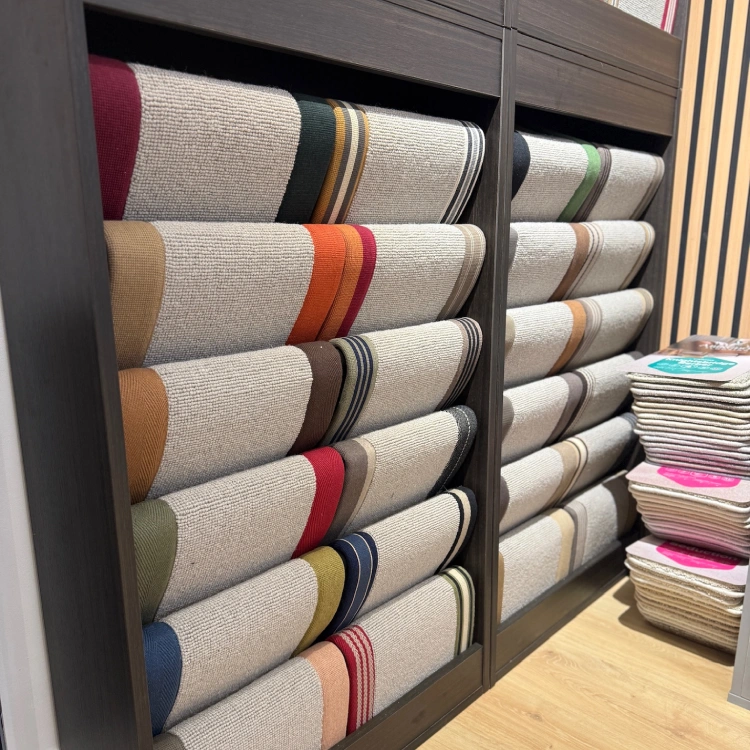
In most cases, yes. We can transform a wide range of carpets into bespoke stair runners, finishing the edges with whipping, binding or border tape for a clean, professional look.
Absolutely. Stair runners protect stair treads from daily wear and tear while providing additional grip and comfort underfoot, making them ideal for active homes.
Yes. If your staircase includes winders or turns, our skilled installers carefully shape and fit the runner so that joins are discreet and the finish appears seamless.
Timescales depend on the complexity of the staircase and design. Once your runner is prepared, installation is typically completed efficiently with minimal disruption to your home.
Most people choose a runner for three reasons. Safety is often the main one: a runner adds grip on smooth timber or laminate stairs and can reduce the risk of slipping for children, pets and older adults. Comfort and noise are equally important, as a runner softens each step and helps cut down on the clatter of footsteps between floors. Style and protection round things off nicely: a runner lets you keep some of the timber on show while protecting the centre of the tread from wear.
If you like the look of your stairs but want them quieter, safer and warmer underfoot, a runner is often the ideal compromise.
The runner should look in proportion to your staircase, with some of the stair visible either side. On many UK staircases, roughly 80 to 90 cm wide, runners of around 57 to 66 cm tend to work well. Wider staircases can take runners of 80 to 100 cm, leaving a neat border each side.
The general rule is to aim for a balanced border of timber or painted stair on each side. You do not want a runner that almost covers everything, nor one that looks like a narrow strip down the centre.
Getting the length right avoids ugly gaps or bunching. For a straight flight, measure one tread (the flat part) and one riser (the vertical part), add those together, then multiply by the number of steps. If you have landings, winders or turns, measure these sections separately and add them on. If you want the top landing covered, allow extra length accordingly.
Many people prefer to have a professional measure up to allow for any quirks in the staircase, and it is something we are happy to help with at our Ilkley showroom.
There are several popular options, each with their own strengths.
- Wool: warm, resilient, naturally flame resistant and bounces back well. A premium option that wears beautifully over time.
- Flatweave and loop pile constructions: tight, durable and well suited to heavy traffic. They cope well with everyday wear and hide marks effectively.
- Synthetic fibres such as polypropylene: often more stain resistant and budget friendly, making them a practical choice for busy family homes.
- Natural fibres such as sisal and seagrass: excellent texture and appearance, but they need more careful fitting and care, and are not ideal in areas where wet shoes or spills are common.
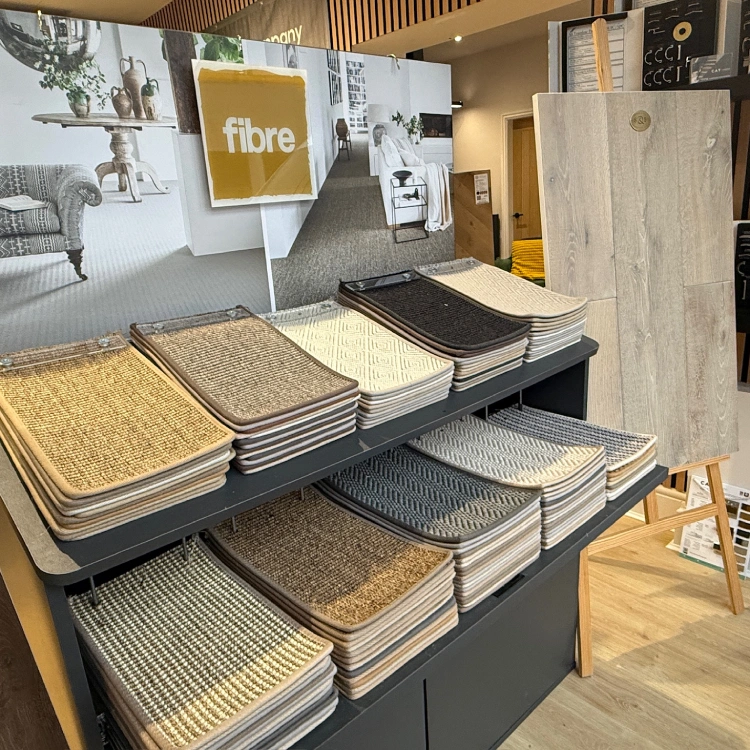
The right choice depends on how busy your stairs are, whether you have pets or children, and how much maintenance you are happy with. We can talk you through all the options in our Ilkley showroom.
Yes, in almost all cases you do. Underlay adds cushioning, grip and reduces wear, and it helps the runner sit evenly on every step. Grippers secure the runner firmly in place, while decorative stair rods are also an option if you want a more traditional or ornate look.
Without proper underlay and fixing, a runner can slip, move or wear prematurely, and that can quickly become a trip hazard.
A correctly fitted runner improves safety by increasing grip compared with bare painted or polished wood, and by softening the edge of the tread to reduce the chance of slipping. However, a badly fitted or loose runner can be hazardous, with ripples and loose edges presenting a real trip risk.
That is precisely why underlay, grippers and quality fitting matter so much. If safety is your main reason for adding a runner, it is well worth investing in proper professional installation.
It depends on your staircase and your DIY confidence. On a straight, simple flight an experienced DIYer can sometimes fit a runner using the correct tools and fixings. For stairs with turns, winders or landings, it is usually much better to use a professional fitter, as shaping and pattern matching are considerably more complex.
A professional will measure accurately, allow for pattern placement, and ensure tight, safe fitting on each tread and riser. If in doubt, it is generally more cost effective to have it fitted properly once than to correct a poor DIY job later.
A correctly installed runner is designed to protect your stairs, not damage them. Grippers and staples do create small holes, but these are typically hidden under the runner and can be easily filled if it is ever removed. Adhesives and underlay protect the main walking area from scuffs and dents.
If preserving original timber is a concern, do discuss fixing methods with your fitter. There are ways to minimise any visible marks, and it is something we are happy to advise on.
Routine care is straightforward. Vacuum regularly using a stair tool and strong suction, concentrating on the centre of each tread where most wear happens. Deal with spills quickly by blotting rather than rubbing, and follow the care advice for your specific material, whether that is wool, synthetic or natural fibre.
On very long flights it is sometimes possible to adjust the runner slightly over time to distribute wear, though this is usually a job for a fitter. Signs that a runner may need replacing include heavy flattening, fraying edges, permanent staining or a loose and sagging fit.
There are a few key things to think about. Stripes can visually lengthen a staircase and look fantastic, but they need careful straight fitting. Plains and subtle textures are more forgiving and tend to suit a wider range of interiors. For colour, mid-tones tend to hide everyday dust and wear better than very light or very dark shades.
The finish of the edge also makes a big difference. Whipped edges, cotton or leather bindings and contrast borders can make a runner look far more considered and finished. If you are unsure, it helps to bring photos and measurements into the showroom so you can compare samples against your stair colour, wall colour and handrail.